
Understanding the Impact of Substance Use on Mental Health
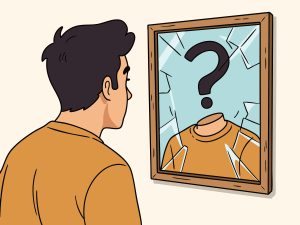 You’ve had a stressful week, so you have a few drinks on Friday night to unwind. Or maybe you find that smoking cannabis helps to quiet your anxious thoughts. It’s common for people to use substances to try to cope with difficult feelings. It might seem like it’s helping in the short term, but over time, substance use can have a devastating impact on your mental health, often making the very problems you’re trying to escape even worse.
At Televero Health, having an honest conversation about substance use is a critical part of every evaluation. It’s not about judgment; it’s about safety and effectiveness. We need to understand the whole picture of what’s affecting your brain chemistry to provide you with the best possible care. The link between substance use and mental health is a complex, two-way street.
The Vicious Cycle of Self-Medication
It is incredibly common for people with an untreated psychiatric condition to turn to substances in an attempt to manage their symptoms. This is often called “self-medication.”
- Someone with social anxiety might drink alcohol at a party to feel less inhibited and more relaxed.
- Someone with depression might use a stimulant like cocaine to try to boost their mood and energy.
- Someone with PTSD might use cannabis to try to numb their feelings and forget their traumatic memories.
While this might provide temporary relief, it creates a dangerous cycle. The substance use prevents you from developing healthier coping skills. And more importantly, the long-term use of these substances directly worsens the underlying mental health condition.
How Substances Disrupt Brain Chemistry
Psychiatric medications work by carefully and subtly helping to rebalance the delicate chemistry of your brain. Substances like alcohol and drugs throw a wrench into that system. They cause large, artificial floods of neurotransmitters, which can disrupt the brain’s natural balance and interfere with the effectiveness of your medication.
- Alcohol: Alcohol is a depressant. While it might feel relaxing at first, it actually disrupts sleep and can worsen depression and anxiety the next day. Chronic heavy drinking can deplete the very neurotransmitters that antidepressant medications are trying to boost. It can also be very dangerous to mix alcohol with certain psychiatric medications, particularly benzodiazepines.
- Cannabis (Marijuana): While some people feel that cannabis helps their anxiety, for many others, it can actually trigger it, sometimes leading to paranoia and panic attacks. High-potency cannabis has also been linked to an increased risk of psychosis in vulnerable individuals. It can also worsen the lack of motivation associated with depression.
- Stimulants (Cocaine, Methamphetamine): These drugs cause a massive surge in dopamine, leading to a temporary high, followed by a severe crash that can worsen depression and lead to intense cravings. They can also cause severe anxiety, paranoia, and psychosis.
Co-Occurring Disorders: Substance Use and Mental Illness
When a person has both a substance use disorder and another psychiatric condition, it is known as a “dual diagnosis” or having co-occurring disorders. This is very common. The substance use can make the mental illness worse, and the mental illness can make the substance use harder to stop.
For treatment to be successful, it is essential to address both conditions at the same time. Treating only the depression while ignoring the alcohol use disorder, for example, is unlikely to lead to lasting recovery. An integrated treatment approach that combines psychiatric care with addiction treatment provides the best chance for success.
This is why absolute honesty with your psychiatrist is so important. They need to know exactly what you are using, how much you are using, and how often you are using it. This is not so they can judge you, but so they can:
- Make an accurate diagnosis.
- Prescribe medications that are safe and won’t have dangerous interactions.
- Create a treatment plan that addresses the full scope of your needs.
If you are using substances to cope, it is a sign that you are in pain. The solution is not to add another problem on top of the first one. The solution is to get effective, comprehensive treatment for the underlying condition that is causing you to seek relief in the first place.
Key Takeaways
- It is common to “self-medicate” with substances to cope with a mental health condition, but this ultimately makes the underlying problem worse.
- Substances like alcohol and drugs disrupt the brain chemistry that psychiatric medications are trying to heal, making your treatment less effective.
- Having both a substance use disorder and another mental illness is called a “dual diagnosis,” and it requires an integrated treatment plan that addresses both issues.
- Absolute honesty with your provider about your substance use is critical for your safety and for creating an effective treatment plan.
Ready to take the first step? We can help. Get started with Televero Health today.