
The Link Between Brain Chemistry and Mental Health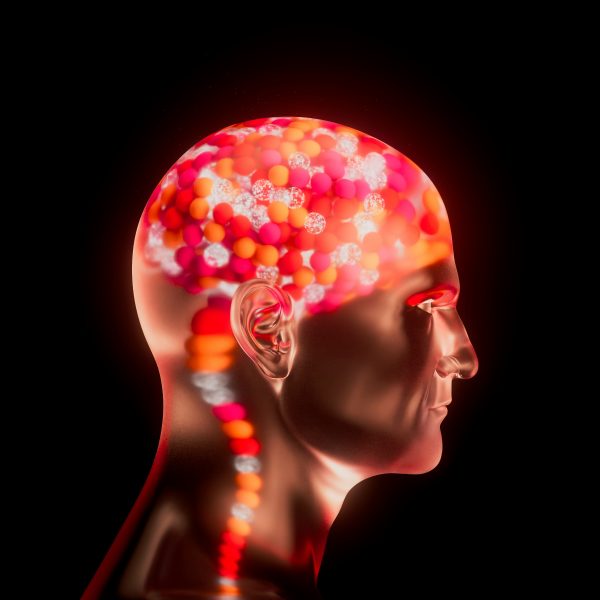
Have you ever wondered what is actually happening inside your brain when you feel depressed, anxious, or unable to focus? It can be easy to think of these as purely emotional or psychological experiences, separate from the physical body. But the truth is, your thoughts, feelings, and behaviors are all deeply rooted in the physical and chemical processes of your brain.
At Televero Health, we believe it’s important for patients to understand this connection. Knowing that your mental health condition has a biological basis can reduce feelings of self-blame and make it clear why treatments like medication can be so effective. Your brain is an organ, and like any other organ, its health depends on a delicate balance.
The Brain as a Communication Network
Think of your brain as the most complex and powerful communication network in the world. It contains billions of nerve cells, called neurons, that are constantly talking to each other. This communication is what allows you to think, feel, and act. But how do they talk to each other? They don’t actually touch. There are tiny gaps between them called synapses.
To send a message across this gap, a neuron releases chemical messengers called neurotransmitters. These chemicals travel across the synapse and attach to receptors on the next neuron, delivering the message. This process happens trillions of times a day, in complex patterns that create your mental and emotional experience.
The entire system depends on having the right amount of these neurotransmitters available at the right time. When this chemical signaling system is working well, your mood is stable, you can focus, and you can manage stress. When it’s not, it can lead to symptoms of a psychiatric condition.
Key Neurotransmitters and Their Jobs
While there are dozens of different neurotransmitters, a few key players are known to be heavily involved in mental health:
- Serotonin: Often called the “feel-good” chemical, but it’s more of a master regulator. It helps to control mood, anxiety, sleep, and appetite. Imbalances in the serotonin system are strongly linked to depression, anxiety, and OCD.
- Dopamine: This is the neurotransmitter of motivation and reward. It drives you to seek out pleasurable activities and helps you to focus your attention. It plays a major role in depression (lack of motivation) and ADHD (problems with focus).
- Norepinephrine: This chemical is involved in the “fight-or-flight” response. It helps to control alertness, energy, and concentration. It works alongside dopamine and is also implicated in depression and ADHD.
- GABA (Gamma-aminobutyric acid): This is the main inhibitory neurotransmitter. Its job is to calm the brain down and prevent neurons from getting overexcited. It acts like the brain’s brakes. Problems with GABA are linked to anxiety disorders, as the brain loses some of its ability to put the brakes on worry and fear.
What Does a “Chemical Imbalance” Really Mean?
The idea of a “chemical imbalance” is a useful starting point, but the reality is more complex. A psychiatric condition is rarely caused by having simply too much or too little of one chemical. The problem can be in any part of the communication system. It could be:
- Your brain isn’t producing enough of a certain neurotransmitter.
- The neurotransmitters are being reabsorbed too quickly before they can deliver their message.
- There aren’t enough receptors on the receiving neurons to pick up the signal.
- The receptors themselves are not sensitive enough.
Genetics, chronic stress, trauma, and other medical conditions can all affect this delicate system. Psychiatric medications work by targeting different parts of this process. For example, some increase the amount of a neurotransmitter in the synapse, while others might make the receptors more sensitive. The goal is to help restore more normal communication between brain cells.
Understanding this biology makes it clear that mental health is brain health. Your struggles are not imagined, and they are not a sign of weakness. They are the result of a complex organ not functioning at its best, and just like any other medical condition, it deserves and can respond to thoughtful, evidence-based treatment.
Key Takeaways
- Your mental health is directly linked to the chemical processes in your brain.
- Neurotransmitters like serotonin, dopamine, and GABA are chemical messengers that regulate mood, focus, and anxiety.
- Psychiatric conditions often involve a disruption in this chemical communication system, not just a simple “imbalance.”
- Understanding the biological basis of your condition can reduce stigma and clarify how treatments like medication work.
Ready to take the first step? We can help. Get started with Televero Health today.