
How Diet and Nutrition Can Affect Your Mental Health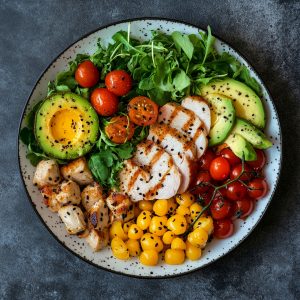
Have you ever noticed that you feel sluggish and down after eating a lot of junk food? Or that you feel more clear-headed and energetic when you’ve been eating well? We readily accept that what we eat affects our physical bodies, but we often forget that our diet has a direct and powerful impact on our brain. The food you eat provides the essential raw materials your brain needs to function correctly.
At Televero Health, we take a holistic approach to care, which means we recognize the importance of nutrition in mental health. While changing your diet is not a cure for a psychiatric condition, it can be a powerful tool to support your treatment and improve your overall sense of well-being. There is a growing field of science called nutritional psychiatry that is dedicated to understanding this connection.
Your Brain Needs the Right Fuel
Your brain is an incredibly energy-hungry organ. It uses about 20% of your body’s calories. More importantly, it requires a steady supply of specific nutrients to build and maintain its structures and to produce the neurotransmitters that regulate your mood. If you’re not giving it the right fuel, it can’t do its job properly.
Think about the neurotransmitters we often talk about in mental health, like serotonin and dopamine. Your body doesn’t just create these out of thin air. It synthesizes them from building blocks called amino acids, which you get from eating protein. This process also requires other nutrients, like B vitamins and minerals like iron and magnesium, to work correctly. If your diet is deficient in these key nutrients, your brain may struggle to produce the chemicals it needs to keep your mood stable.
The Gut-Brain Connection
One of the most exciting areas of research in this field is the gut-brain connection. Your digestive tract is home to trillions of bacteria, collectively known as your gut microbiome. These bacteria are not just passive passengers; they play an active role in your health. And remember, about 90% of your body’s serotonin is produced in your gut.
A healthy, diverse microbiome is associated with better mental health. The types of food you eat directly influence the types of bacteria that thrive in your gut. A diet rich in a variety of whole foods, like fruits, vegetables, and whole grains, helps to support a healthy microbiome. On the other hand, a diet high in processed foods, sugar, and unhealthy fats can promote the growth of less helpful bacteria and can lead to inflammation.
This inflammation is a key issue. Chronic, low-grade inflammation throughout the body and brain is now understood to be a major contributing factor to depression. The standard Western diet, which is often high in processed foods and sugar, is known to be pro-inflammatory. A diet based on whole foods, like the Mediterranean diet, is anti-inflammatory and has been shown in studies to be associated with a lower risk of depression.
What Does a “Brain-Healthy” Diet Look Like?
You don’t need to follow a complicated or restrictive diet to support your mental health. The principles of brain-healthy eating are quite simple and focus on whole, unprocessed foods. This includes:
- A variety of colorful fruits and vegetables: These are packed with vitamins, minerals, and antioxidants that protect the brain.
- Whole grains: Foods like oats, brown rice, and quinoa provide a steady supply of energy to the brain.
- Lean proteins: Fish, chicken, beans, and lentils provide the amino acids needed to make neurotransmitters.
- Healthy fats: Omega-3 fatty acids, found in fatty fish like salmon, as well as in walnuts and flaxseeds, are crucial for brain structure and function.
- Probiotic-rich foods: Yogurt, kefir, and other fermented foods can help to support a healthy gut microbiome.
Making small, sustainable changes to your diet can be a powerful way to support your psychiatric treatment. It’s not about perfection; it’s about giving your brain the consistent nourishment it needs to heal.
Key Takeaways
- Your diet has a direct impact on your brain health and mood; your brain needs specific nutrients to function properly.
- The food you eat provides the building blocks for key neurotransmitters like serotonin and dopamine.
- A healthy diet supports a healthy gut microbiome, which is linked to better mental health and lower levels of inflammation.
- Focusing on a diet rich in whole foods like fruits, vegetables, lean proteins, and healthy fats can be a powerful way to support your psychiatric treatment.
Ready to take the first step? We can help. Get started with Televero Health today.