
The Impact of Chronic Stress on the Brain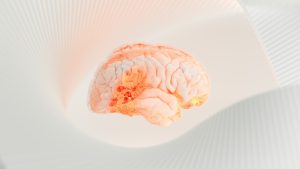
You feel it every day. The pressure from work, the demands of family, the worry about finances, the constant barrage of news. We use the word “stress” to describe this feeling, but what is it actually doing to us? We know it can cause headaches and stomach problems, but the impact of long-term, chronic stress goes much deeper. It can physically change the structure and function of your brain.
At Televero Health, we help patients understand that the stress you experience is not just in your head; it’s in your brain. Understanding how chronic stress affects your brain’s biology can make it clear why it is so strongly linked to conditions like depression and anxiety and why learning to manage stress is a critical part of protecting your mental health.
The Body’s Alarm System
Your body’s stress response, often called the “fight-or-flight” system, is a brilliant survival mechanism. When your brain perceives a threat—whether it’s a tiger in the wild or an angry email from your boss—it triggers the release of a cascade of hormones, including adrenaline and cortisol. These hormones prepare your body to handle the threat. Your heart rate increases, your senses sharpen, and energy is diverted to your muscles. This is incredibly helpful for surviving acute, short-term dangers.
The problem is that in our modern world, the “tigers” are often things we can’t fight or run from, like a difficult job or a strained relationship. The stressor doesn’t go away. This means that our body’s alarm system can get stuck in the “on” position. This state of constant, low-grade activation is what we call chronic stress.
How Chronic Stress Changes the Brain
When your brain is constantly bathed in stress hormones like cortisol, it starts to change. The effects are most pronounced in three key areas:
- The Amygdala (The Fear Center): The amygdala is your brain’s alarm bell. Chronic stress makes the amygdala larger and more sensitive. It becomes hyper-reactive, meaning it is more likely to perceive a threat and sound the alarm, even in response to minor stressors. This is why chronic stress can lead to a state of constant anxiety, irritability, and being “on edge.”
- The Hippocampus (The Memory and Emotion Center): The hippocampus is crucial for forming new memories and for helping to regulate the stress response. It is very sensitive to cortisol. Chronic stress can actually shrink the hippocampus, impairing its ability to do its job. This can lead to problems with memory and concentration. Because the hippocampus helps to turn off the stress response, a smaller, weaker hippocampus means the alarm bell of the amygdala can ring even longer and louder.
- The Prefrontal Cortex (The Control Center): This is the most evolved part of your brain, responsible for rational thought, decision-making, and emotional regulation. It’s the part of the brain that is supposed to be able to calm the amygdala down. Chronic stress weakens the connections to the prefrontal cortex. This makes it harder for you to control your impulses, manage your emotions, and think clearly under pressure.
In short, chronic stress puts your brain’s fear center on high alert while weakening the parts of your brain that are supposed to manage memory, learning, and rational control. This is a recipe for developing anxiety and depression.
You Can Protect Your Brain
This might sound grim, but there is good news. Your brain is resilient and capable of changing. This is called neuroplasticity. You can take active steps to manage stress and reverse some of these negative changes.
Treatments for anxiety and depression, including therapy and medication, can help to re-regulate the stress response system. Lifestyle interventions are also powerful tools. Regular exercise, a healthy diet, good sleep, and mindfulness practices like meditation have all been shown to reduce the harmful effects of stress on the brain. They can help to calm the amygdala, promote the growth of new cells in the hippocampus, and strengthen the prefrontal cortex.
Learning to manage stress is not a soft skill; it is an essential part of brain maintenance. By taking steps to reduce your stress load, you are not just improving your mood; you are actively protecting the physical health of your brain.
Key Takeaways
- Chronic stress keeps your body’s “fight-or-flight” system constantly activated, which can physically change your brain over time.
- It makes the brain’s fear center (amygdala) more reactive, shrinks the memory and emotion center (hippocampus), and weakens the rational control center (prefrontal cortex).
- This pattern of brain changes is strongly linked to the development of anxiety and depression.
- You can protect your brain and even reverse these changes through treatments like therapy and medication, as well as stress-management techniques like exercise and mindfulness.
Ready to take the first step? We can help. Get started with Televero Health today.