
Understanding the Mind-Body Connection
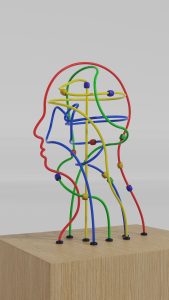 You have a big deadline at work, and you feel the stress mounting. You notice that your shoulders are tight, you have a tension headache, and your stomach is in knots. Or maybe you’ve been feeling depressed for a while, and you realize you also feel a constant, heavy sense of fatigue and your body aches. These are not just random coincidences. They are powerful examples of the mind-body connection—the profound and inseparable link between your psychological state and your physical health.
At Televero Health, we practice a holistic approach to care because we know that you cannot treat the mind without considering the body, and you cannot treat the body without considering the mind. They are a single, integrated system. Understanding this connection can empower you to use your body as a tool to help your mind, and your mind as a tool to help your body.
How Your Mind Affects Your Body
Your thoughts and emotions are not just abstract experiences; they are biochemical events that have a direct and immediate impact on your physical body. The primary pathway for this is your body’s stress response system.
When you experience a psychological stressor—like a worried thought or a painful emotion—your brain sends a signal to your adrenal glands to release stress hormones like cortisol and adrenaline. This triggers the “fight-or-flight” response, which causes a cascade of physical changes:
- Your heart rate and blood pressure increase.
- Your breathing becomes shallow and rapid.
- Your muscles tense up, ready for action.
- Your digestive system slows down.
- Your immune system is suppressed.
This is a helpful response for a short-term crisis. But when you are living with a chronic mental health condition like anxiety or depression, your stress response system can be constantly activated. This long-term exposure to stress hormones can contribute to a wide range of physical health problems, including chronic pain, digestive issues, high blood pressure, and a weakened immune system.
How Your Body Affects Your Mind
The connection is a two-way street. Your physical state has an equally powerful impact on your mental and emotional state.
- Exercise: As we’ve discussed, physical activity is one of the most potent antidepressants. It releases endorphins, boosts mood-regulating neurotransmitters, and even helps to grow new brain cells.
- Nutrition: The food you eat provides the building blocks for your brain’s chemical messengers. A nutrient-poor diet can contribute to depression and anxiety.
- Sleep: Sleep is when your brain cleans out waste products and processes emotions. A lack of sleep can dramatically impair your mood and your ability to regulate your emotions.
- Your Posture: Research has shown that even the way you hold your body can affect your mood. Sitting up straight in a more open, confident posture can actually make you feel more powerful and less stressed.
- Your Gut Health: The gut-brain axis is a powerful example of the mind-body connection. The health of the bacteria in your gut can directly influence your mood and anxiety levels.
Harnessing the Mind-Body Connection for Healing
The beauty of this connection is that it gives you so many different entry points for healing. When you feel like you can’t control your thoughts, you can start by working with your body. Therapy can help you to build a toolbox of these “bottom-up” skills.
-
- Practice Deep Breathing: As we’ve covered, slow, diaphragmatic breathing is a direct way to activate your body’s relaxation response and send a signal of calm to your brain.
- Try Progressive Muscle Relaxation: This technique involves systematically tensing and then releasing different muscle groups in your body. It is a powerful way to release physical tension and to become more aware of where you hold stress in your body.
– Engage in Mindful Movement: Practices like yoga, tai chi, or even just a mindful walk can help you to reconnect with your body and to release stored tension.
– Prioritize Your Physical Self-Care: Make a conscious effort to get enough sleep, to eat nourishing food, and to move your body regularly. These are not just physical health practices; they are fundamental mental health practices.
Your mind and your body are in a constant, dynamic conversation. By learning to listen to this conversation and to intervene in a skillful way, you can harness the power of this connection to create a state of greater health, balance, and well-being for your whole, integrated self.
Key Takeaways
- Your mind and your body are not separate; they are a single, integrated system in constant communication.
- Your psychological state (like stress) has a direct impact on your physical body through the release of stress hormones.
- Your physical state (like your diet, sleep, and exercise habits) has an equally powerful impact on your mental and emotional well-being.
- You can harness this connection for healing by using “bottom-up” techniques like deep breathing and mindful movement to calm your mind by calming your body.
Ready to take the first step? We can help. Get started with Televero Health today.